As an experienced Toronto aesthetic plastic surgeon who performs lymph-sparing liposuction and body contouring procedures for patients with lipedema on a regular basis, I have learned that surgery is only one component of comprehensive care. Lipedema is a chronic, progressive adipose tissue disorder characterized by disproportionate fat accumulation—most commonly in the legs and arms—often accompanied by pain, tenderness, easy bruising, and inflammation. While surgical intervention can significantly reduce diseased fat and improve function and quality of life, long-term outcomes and quality-of-life are strongly influenced by lifestyle factors, particularly nutrition.
A non-inflammatory diet does not cure lipedema. As we also all know, lipedema fat is often diet-resistant. Yet the non-inflammatory diet is crucial when tackling lipedema. In my clinical experience treating lipedema for over 10 years now, this type of diet plays a meaningful role in symptom control, postoperative recovery, and maintenance of surgical results. Patients who adopt an anti-inflammatory nutritional approach often report less pain, reduced swelling, improved energy levels, and more stable body composition over time. This article outlines how and why a non-inflammatory diet can be helpful for individuals with lipedema, explained through the lens of a surgeon who treats this condition surgically.
Understanding Inflammation in Lipedema
Inflammation is a central feature of lipedema. Diseased adipose tissue in lipedema behaves differently from typical fat: it is metabolically abnormal, fibrotic, and prone to inflammatory signalling. This contributes to pain, hypersensitivity, fluid dysregulation, and progressive tissue changes. Importantly, lipedema fat is resistant to caloric restriction and traditional weight-loss strategies, which is a source of frustration for many patients.
From a surgical standpoint, inflamed and fibrotic tissues are more challenging to treat. Patients with higher baseline inflammation may experience more postoperative swelling, prolonged recovery, and greater discomfort. For this reason, I routinely counsel patients that nutrition is not about weight loss alone; it is about reducing systemic inflammation and supporting healthier tissue biology.
A non-inflammatory diet aims to minimize dietary triggers that exacerbate inflammatory pathways while emphasizing foods that promote metabolic stability, gut health, and hormonal balance—factors that are highly relevant in lipedema.
Core Principles of a Non-Inflammatory Diet for Lipedema
Rather than focusing on a rigid or restrictive meal plan, I encourage patients to understand a few foundational principles. These principles can be adapted to individual preferences, cultural backgrounds, and postoperative needs.
1. Stabilize Blood Sugar and Insulin
Many patients with lipedema demonstrate some degree of insulin resistance, even if they are not diabetic. Frequent blood sugar spikes promote inflammatory cytokine release and can worsen edema and pain.
Key strategies include:
- Prioritizing protein at every meal
- Limiting refined carbohydrates and added sugars
- Choosing complex carbohydrates with fiber
- Avoiding frequent snacking on high-glycemic foods
The new GLP1 agonists (Ozempic®, Mounjaro®, etc.) are also gaining ground in helping patients with lipedema not only with their weight management but also with sugar control.
From a surgical perspective, stable blood sugar supports wound healing and reduces postoperative inflammation.
2. Reduce Pro-Inflammatory Foods
Certain foods are consistently associated with increased inflammatory markers. While individual tolerance varies, common pro-inflammatory triggers in lipedema patients include:
- Refined white sugars and sweetened beverages
- Highly processed foods
- Refined vegetable oils (such as corn, soybean, and canola oil)
- Trans fats
- Excessive alcohol
Patients often notice increased leg heaviness, tenderness, or swelling within days of consuming these foods regularly.
3. Emphasize Whole, Nutrient-Dense Foods
A non-inflammatory diet is built around foods that are as close to their natural state as possible. These foods provide antioxidants, micronutrients, and fatty acids that help modulate inflammation.
Recommended Foods in a Non-Inflammatory Lipedema Diet
High-Quality Proteins
Protein is essential for tissue repair, immune function, and metabolic stability—especially before and after surgery.
Recommended sources include:
- Wild-caught fish (salmon, sardines, mackerel)
- Pasture-raised poultry
- Grass-fed beef or bison (in moderation)
- Eggs (if tolerated)
- Plant-based proteins such as lentils and chickpeas (if they do not worsen bloating or swelling)
Adequate protein intake supports collagen synthesis and postoperative healing, which directly affects surgical outcomes.
Anti-Inflammatory Fats
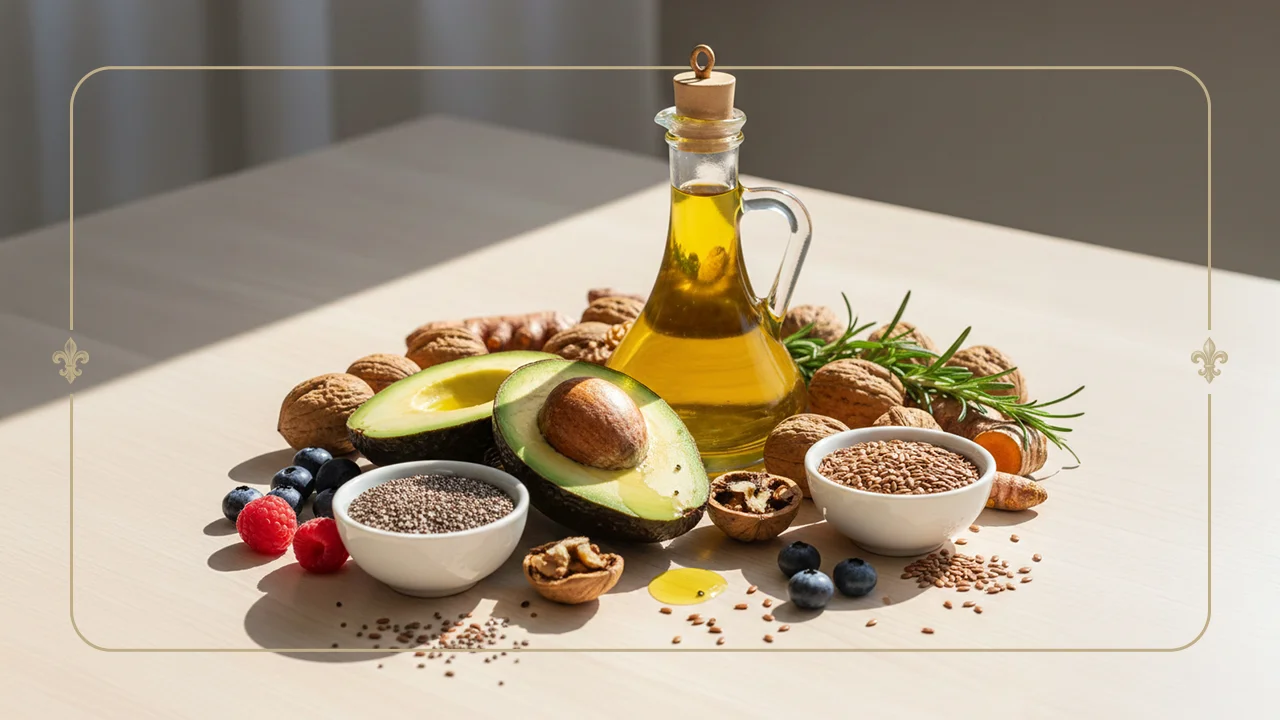
Not all fats are equal. Inflammation is strongly influenced by the balance of omega-3 to omega-6 fatty acids.
Beneficial fats include:
- Extra-virgin olive oil (EVOO)
- Avocados
- Nuts and seeds (particularly walnuts, chia seeds, and flaxseeds)
- Fatty fish rich in omega-3s
These fats support vascular health and may reduce pain perception, an important consideration in lipedema.
Vegetables and Low-Glycemic Fruits
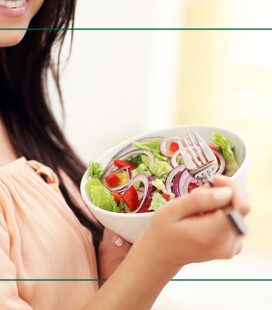
Vegetables form the foundation of an anti-inflammatory diet. They provide fiber, antioxidants, and phytonutrients that support lymphatic and gut health.
Particularly beneficial choices include:
- Leafy greens (spinach, kale, arugula)
- Cruciferous vegetables (broccoli, cauliflower, Brussels sprouts)
- Zucchini, cucumber, and asparagus
- Berries (blueberries, raspberries, strawberries)
I often advise patients to fill at least half of their plate with non-starchy vegetables at most meals.
Herbs, Spices, and Functional Foods
Many culinary herbs and spices have clinically meaningful anti-inflammatory properties.
Examples include:
- Turmeric (especially when combined with black pepper)
- Ginger
- Garlic
- Cinnamon
- Green tea
These additions may seem minor, but over time, they contribute to a lower inflammatory burden.
Foods That Commonly Exacerbate Symptoms
While there is no universal “lipedema diet,” certain foods are frequently reported by patients to worsen pain, swelling, or fatigue.
Common culprits include:
- Added sugars and desserts
- White bread, pastries, and pasta
- Processed snack foods
- Sugary breakfast cereals
- Artificial sweeteners (in some patients)
- Excess sodium from packaged foods
Dairy and gluten deserve special mention. Some patients experience significant symptom improvement when reducing or eliminating one or both, while others tolerate them well. I recommend a structured elimination trial rather than blanket avoidance.
Hydration, Sodium, and Fluid Balance
Fluid management is particularly important in lipedema due to capillary fragility and lymphatic involvement.
General guidance includes:
- Adequate daily water intake
- Avoiding excessive sodium from processed foods
- Including potassium-rich foods (such as leafy greens and avocado)
Proper hydration supports lymphatic flow and may reduce the sensation of heaviness in the limbs.
The Role of Diet Before and After Liposuction
From a surgical standpoint, nutrition is not optional—it is integral.
Preoperative Nutrition
Patients who adopt a non-inflammatory diet several weeks before surgery often experience:
- Reduced baseline swelling
- Improved tissue quality
- More predictable surgical planes
- Smoother early recovery
Postoperative Nutrition
After liposuction or body contouring procedures, inflammation is expected. Diet can either amplify or mitigate this response.
Postoperative priorities include:
- High-quality protein for healing
- Anti-inflammatory fats
- Avoidance of sugar and alcohol
- Adequate micronutrient intake
Patients who follow these principles typically report less prolonged swelling and a faster return to daily activities.
Setting Realistic Expectations
It is critical to be clear: a non-inflammatory diet will not eliminate lipedema fat, nor will it replace surgical intervention when surgery is indicated. However, in my experience, it is one of the most powerful non-surgical tools available to patients.
The goal is not perfection, but consistency. Small, sustainable dietary changes often produce meaningful improvements in pain, mobility, and overall well-being.
Final Thoughts from the Operating Room
Having treated several hundreds of patients with lipedema surgically, I have come to view nutrition as an extension of the operating room rather than a separate consideration. A non-inflammatory diet supports healthier tissues, better healing, and more durable surgical results.
For patients living with lipedema, food is not simply fuel—it is information that the body uses to regulate inflammation. When aligned with appropriate surgical care, compression therapy, and movement, a thoughtful nutritional approach empowers patients to take an active role in managing a complex and often misunderstood condition.
As with any medical condition, dietary changes should be individualized and, when possible, guided by a healthcare professional familiar with lipedema. When surgery and lifestyle are addressed together, outcomes are consistently better—for both patient and surgeon.
At Maison VISAGE Clinic, Dr. DuPéré combines surgical precision with a compassionate, patient-first approach, helping women not only reshape their bodies but also reclaim mobility, comfort, and confidence. If you believe you may have lipedema and want to explore your treatment options, request online or call us at (416) 929-9800 to speak with our team. The right expertise can make all the difference—in both your safety and your results.
Dr. Marc DuPéré